Project presented at Data | Art Symposium at Harvard University on June, 12 2025
Practice based exploratory research, 2024-2025
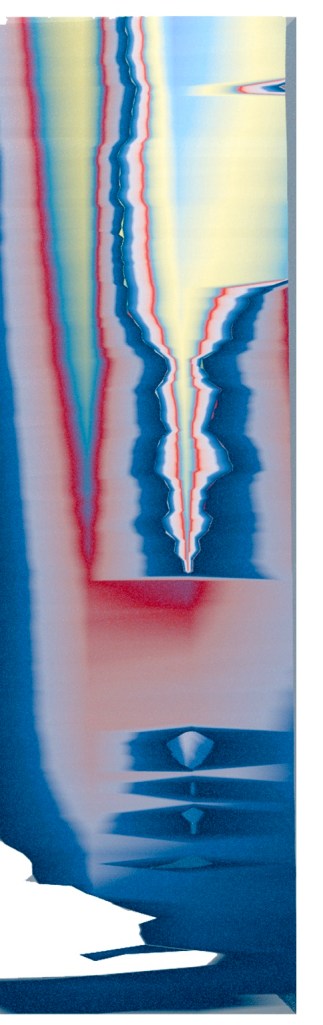
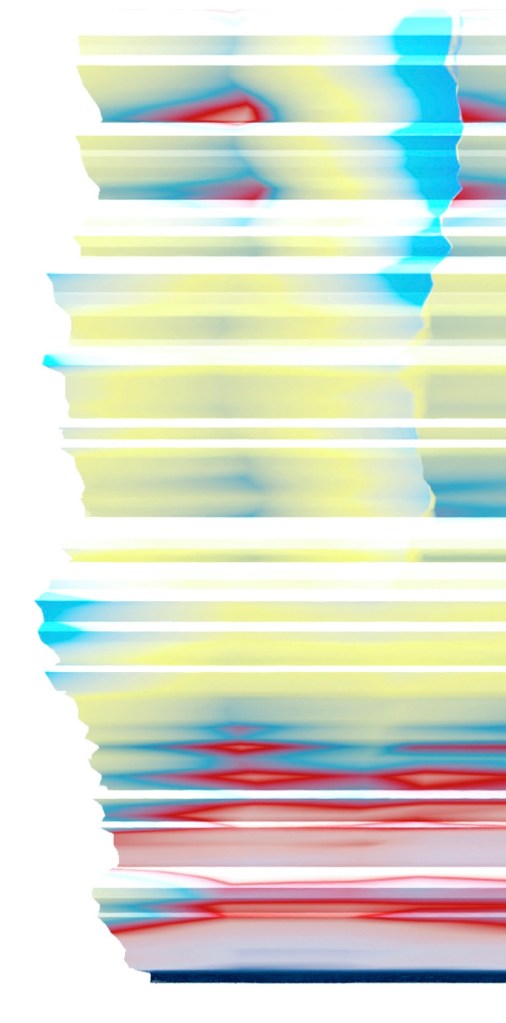
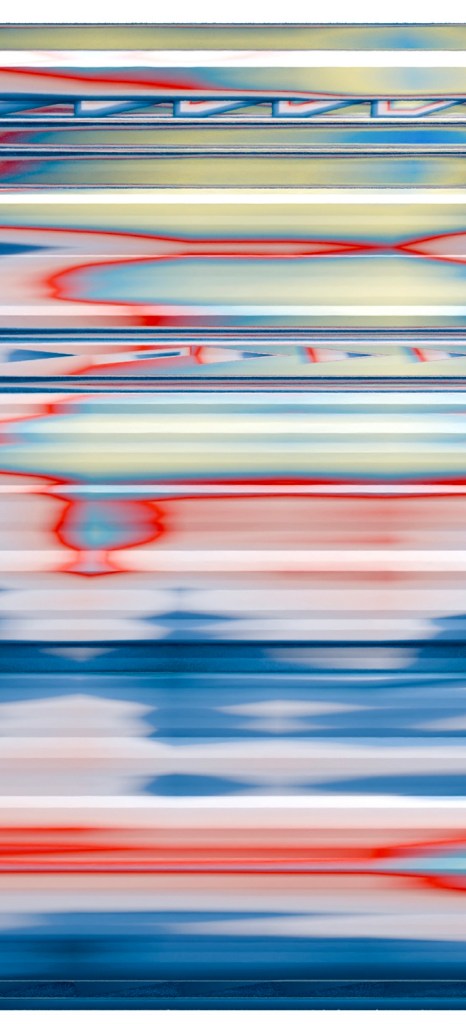
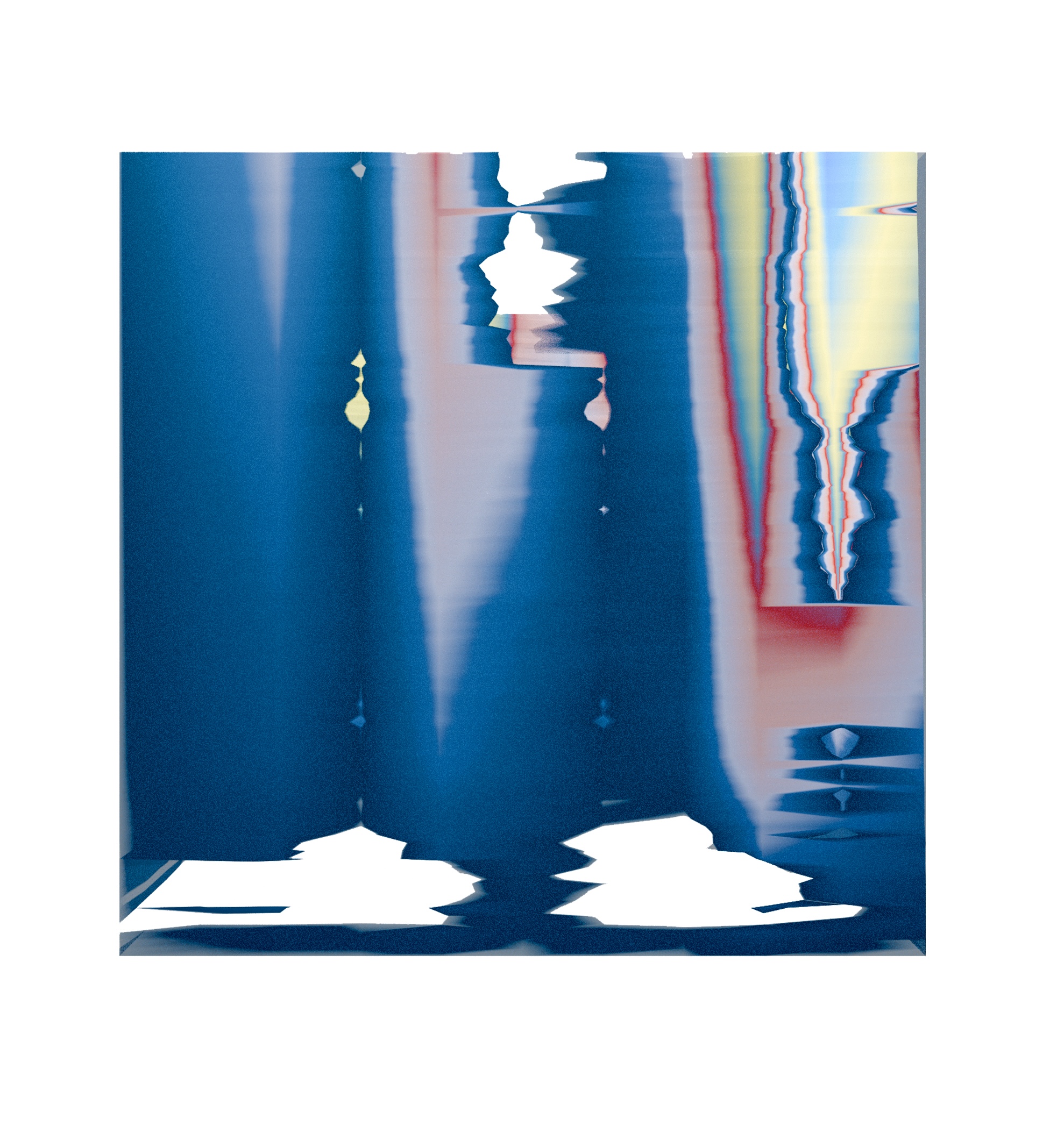
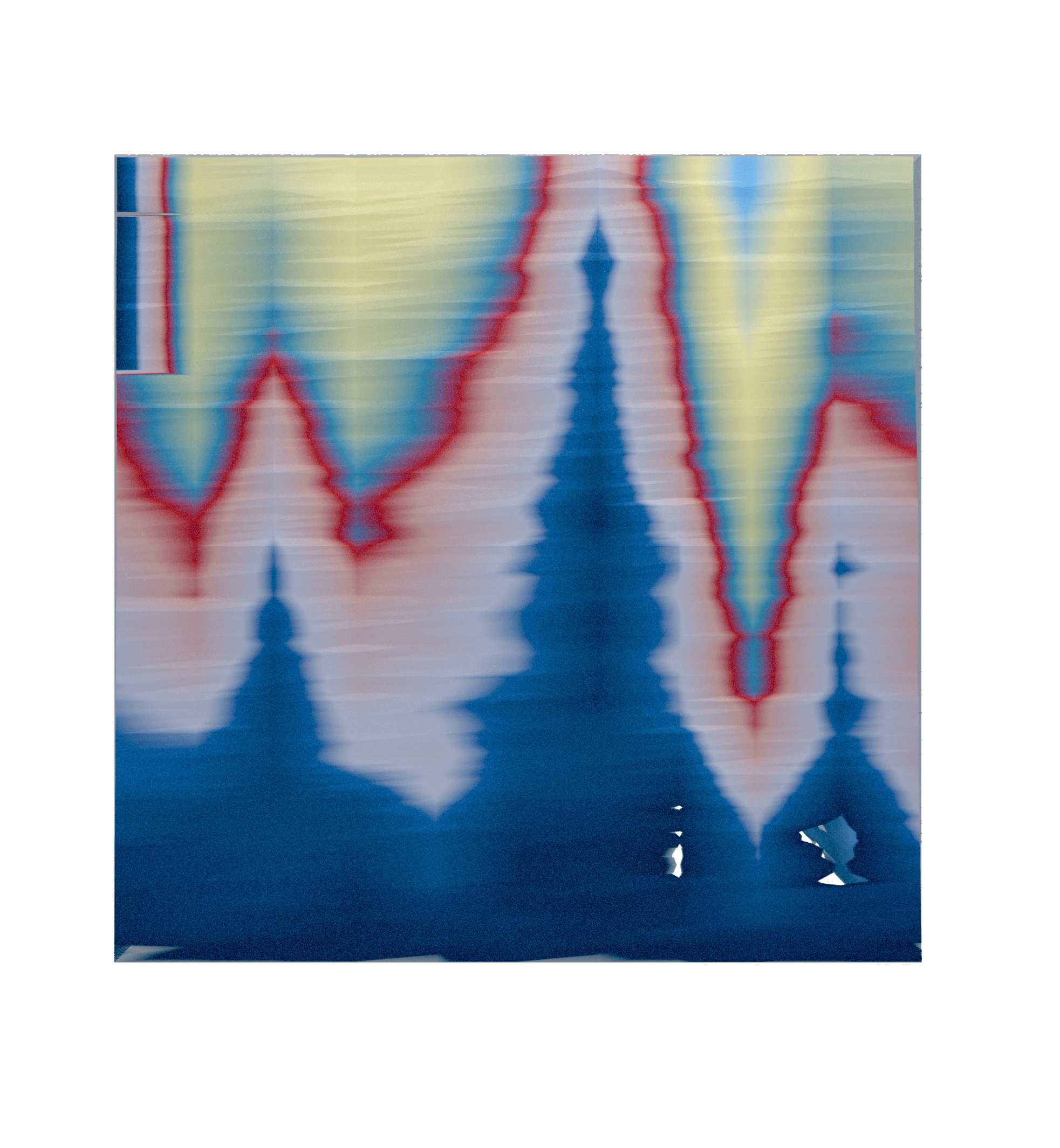
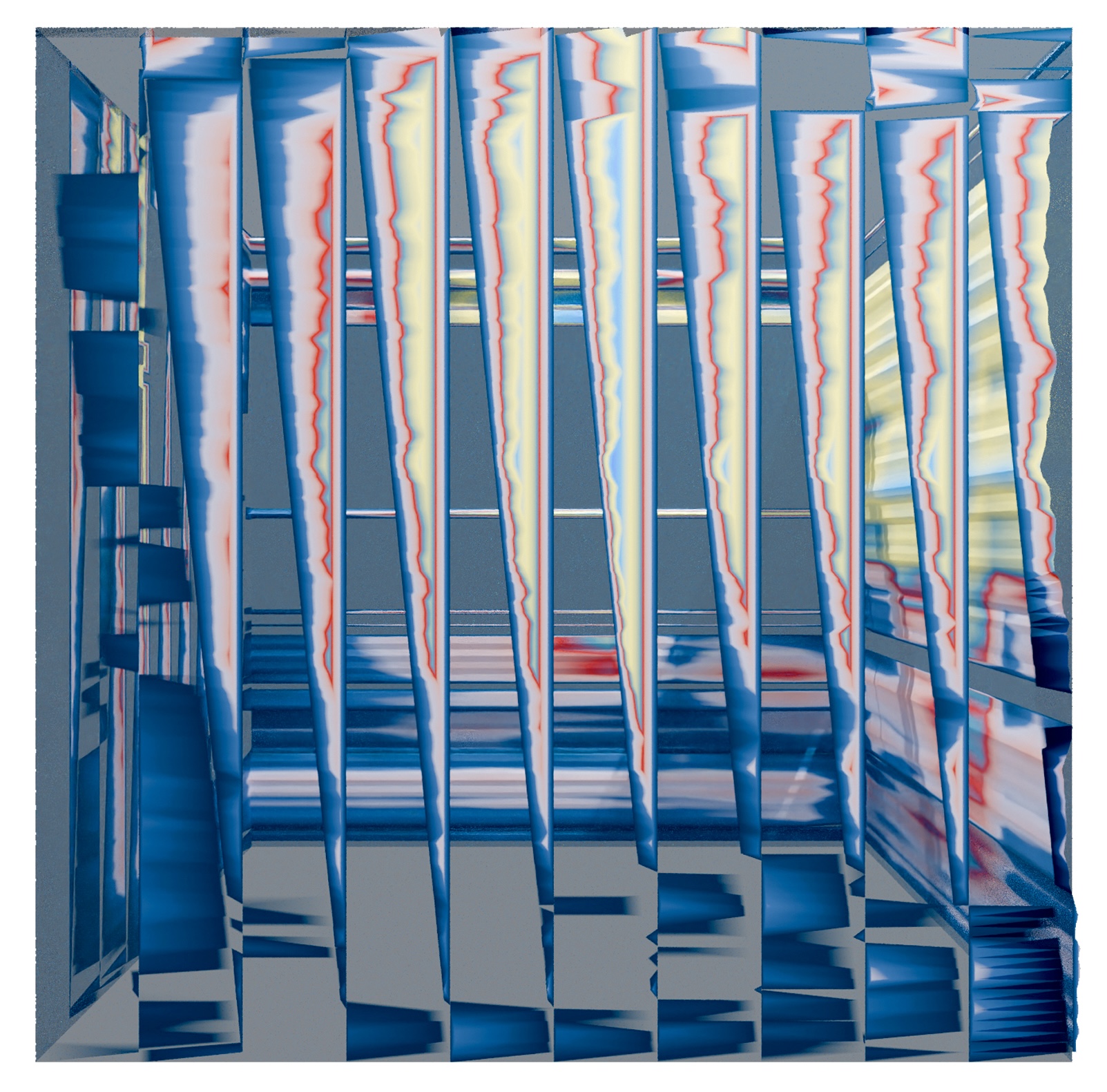
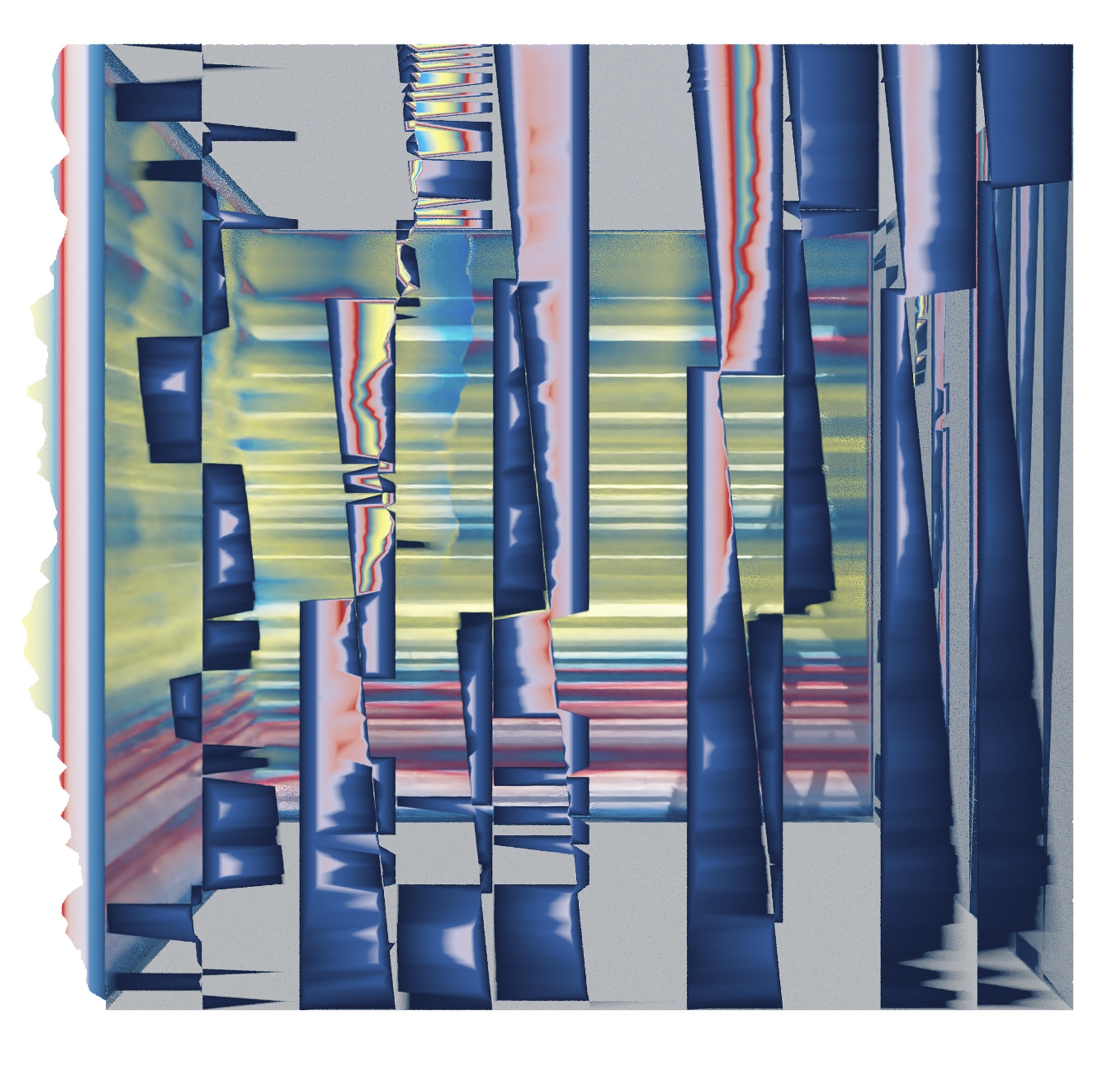
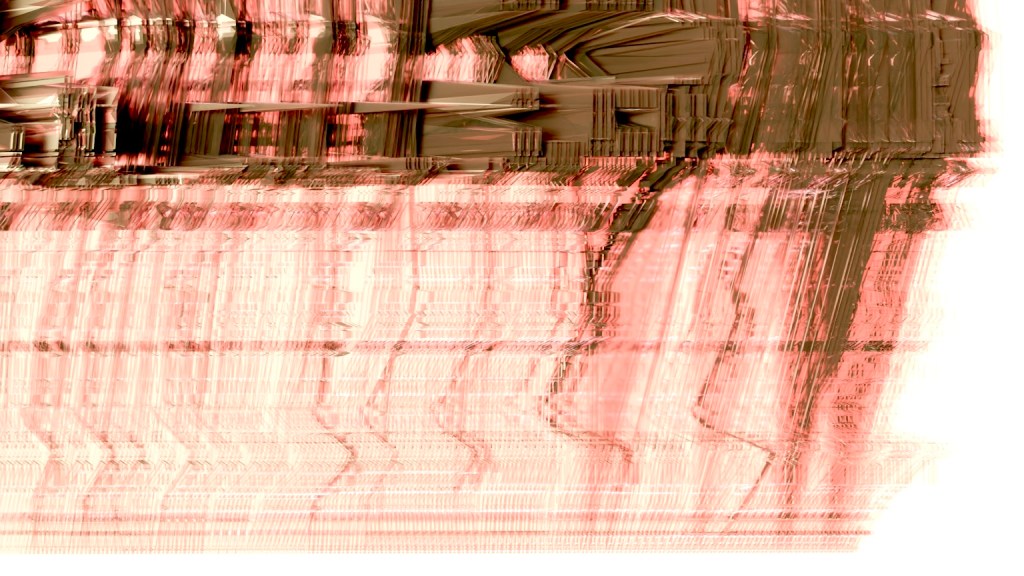
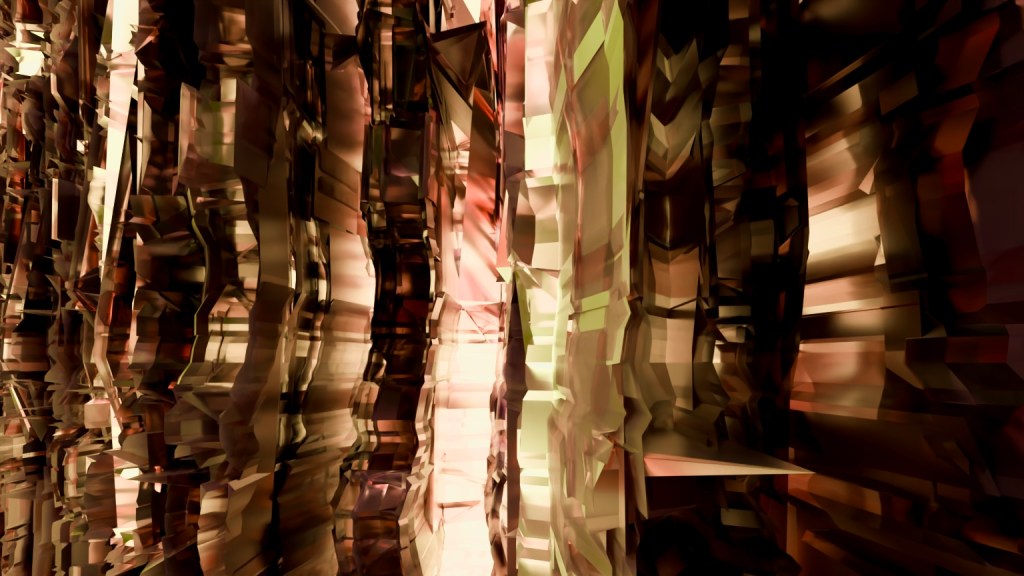
This study probes the “dark matter” of computation: numerical error. By using the notion of the incomputable number and approximation errors in the realm of the binary representation of natural numbers as a poetic driver, it show that the build-up of rounding inaccuracies is not a mere malfunction but a morphogenetic agent capable of generating singular principles at the heart of iterative computational-design processes. After mapping the theoretical limits of calculation and the cultural status of glitch art, it aims to establish an automated protocol that intensively repeats some elementary geometric operations, such as rotation, scaling, translation, and reflection, on a set of geometrical matrixes. Continuous logging of coordinates and a “detachment” indicator allows us, cycle after cycle, to visualise the emergence, propagation, and sedimentation of different types of error. The results reveal three dynamic regimes, erosive, diffusive, and oscillatory, whose spatial and chromatic signatures depend on the algorithm employed, forming true formal fingerprints. This shift in perspective turns digital noise into a design material: by embracing and steering these error regimes, the designer can move from a logic of tolerance to a logic of human–machine co-creation, where finite precision engenders new grammars of form that resonate far beyond the field of computational design alone.



 Stanislav Kurakin
You must be logged in to post a comment.